Barn Owls are THE BEST. They are in a separate family from all other North American owls, and instead of whoo hoooting they do the TV STATIC SCREAM FROM YOUR NIGHTMARES.
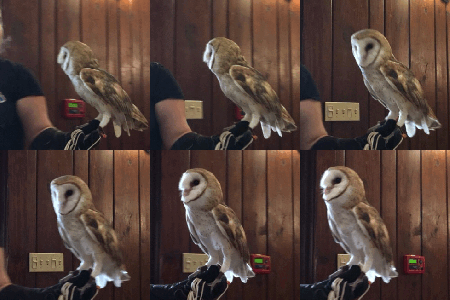
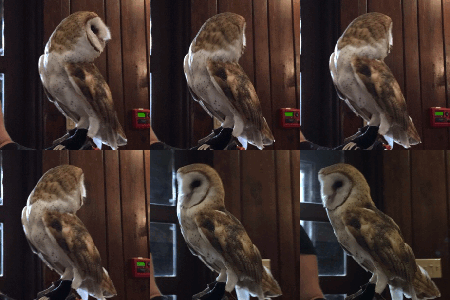
Gotta love the raptor presentations at the state parks! This was at Lockhart State Park tonight at our Master Naturalist meeting. These presenters rehabilitate injured birds of prey through Austin Wildlife Rescue (austinwildliferescue.org), an organization that always NEEDS VOLUNTEERS to help out with the adorable baby animals. If you’re in Central Texas, check them out!
June 18, 2018
The barn owls are members of the family “tytonidae” while every other owl species is a member of the “strigadae” family.
While we typically think of owls like the one in the original post as being barn owls, every species in the family can technically be considered a barn owl.
This includes the various species of masked owls which are relatively similar to your common barn owl
As well as both varieties of sooty owl which are strikingly different than the common barn owl
There are also the grass owls which are behaviorally different than other barn owls in their habits of living on the ground rather than trees
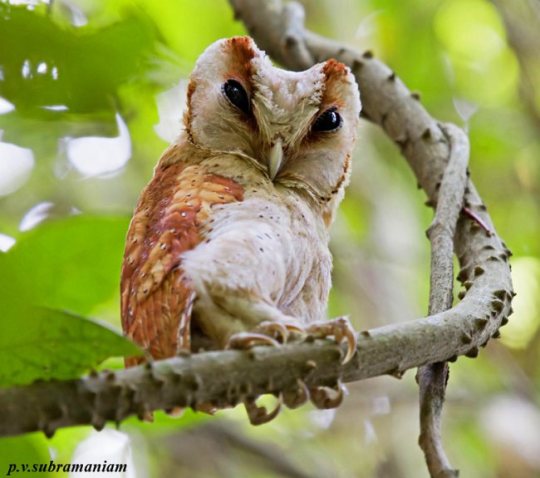
And the two odd tytos out, the red owl and ashy faced owl respectively. Scientists know almost nothing about the former and no individuals have been kept in captivity despite being discovered quite some time ago. Even photographs of it are rare, but it appears to be an orange barn owl with a pink face.
Structurally speaking, barn owls actually have very few traits in common with strigadae owls as their face and beak shapes and proportions are entirely different. There are also differences in their legs and talons, while their similarities are limited to feather composition, ear placement, spinal structure, and binocular vision among a few other internal components.
That being said, barn owls are far from the only family of non-hooting owls as hooting is almost exclusive to larger species, typically genus Strix or bubo. Many other species will trill, screech, and/or hiss.
Barn owls are rather unique in having an incredibly keen sense of hearing, even in comparison to other owls. They can hear and discern between different heartbeats and triangulate the sound perfectly due to their satellite dish-like face shape.
In addition, this barn owl is not actually Tyto alba, it’s a Tyto furcuta, T. alba is the species native to Western Europe while T. furcuta is native to North America.
Many thanks for this owlditional quality content. I give three screams of approval 👍
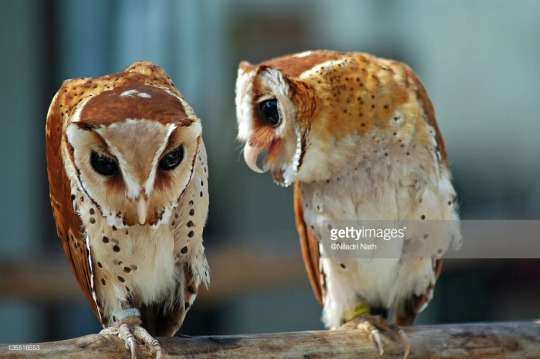
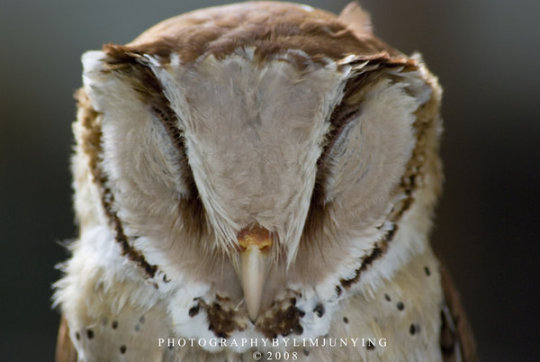
bay owls (genus Phodilus) are in Tytonidae and they are some of my favorite owls of all time. they can be found in Southeast Asia, and some sites claim central Africa as well but I’m not sure?
they can shut their eyes and look eyeless
OR OPEN THEIR EYES WIDE THIS AND LOOK LIKE DEMONS
did I mention they have the best judgemental faces because of their eye positioning
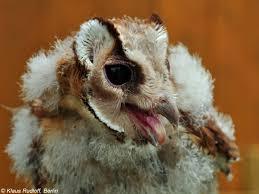
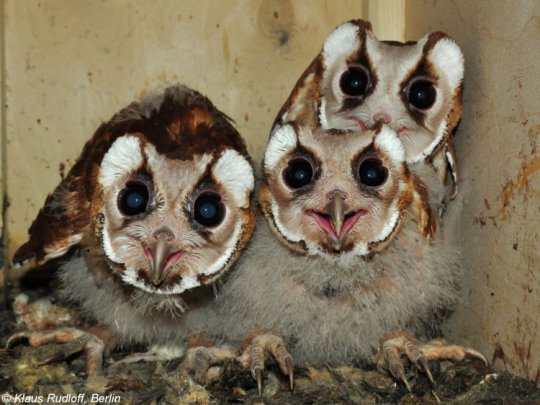
and babies look like tiny demonic gryphons
last I went looking, not a lot is known about bay owl behavior aside from general Tyto habits. I just know they’re so out there appearance-wise and I love them so much for it.
All hats are $12, keychains are $8! I ship everywhere but keep in mind shipping costs outside the U.S. can be pretty high, so I apologize for that inconvenience 😥
Also note hats arent as long as they look, they’re stretchy and fit like this
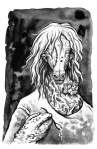
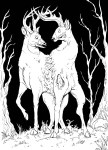
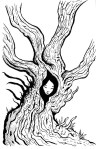
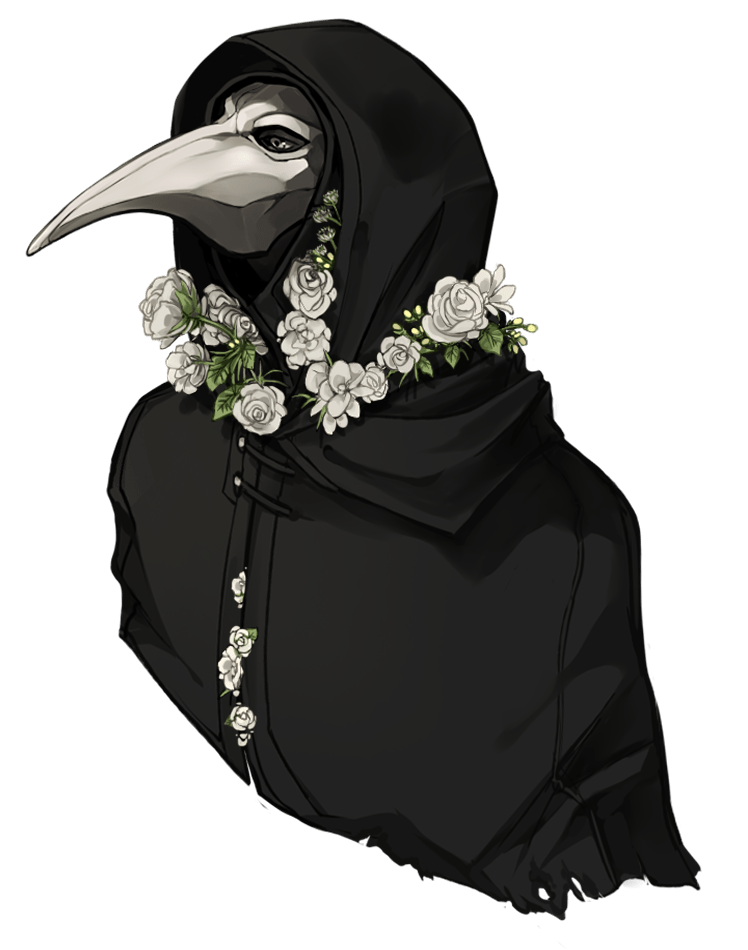
A little compilation of the horror themed art done in the last year or so that I’m particularly happy with…(can you tell it’s my ambition to illustrate a series of scary stories for kids that deeply freak them out but are remembered fondly years later??)
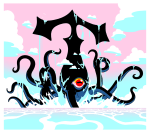
“…Child of dark! Herald of void! First-created of the gods, or else their elder! We know the truth: the world above the waves is nought but wan reflection of thy realm, and we merely its fragile custodians. O! Drown the world! Snuff out the stars! We beseech thee, Great One, that all might hear thy song Borne endless ‘cross the sable deeps!
– Extract from the Holy Book of the Water-folk, Chapter 27
So this is actually a redo of an old Dungeons & Drawings design that I did waaaaaaayy back in 2011! Go look at it if you want to see an example of the old slightly janky pixelart I used to do! I didn’t think it was very good, even at the time, so I decided to redo it but still try and sort of… aim for the same feeling that I was going for before? If that makes sense? I think I succeeded to some extent.
I’ve always had a pretty deep-rooted fear of the sea, which I don’t think is uncommon. I don’t know if this was fuelled by anything (I suspect it was influenced by something I saw on TV or in a film) but I used to have a lot of nightmares about the sea, particularly tidal waves (like, cartoonishly large ones) and just the idea of big creatures either emerging or (sort of worse) lurking immediately underneath the surface. I actually went through a period of not wanting to do back-stroke at my swimming classes because I kept visualising something big “behind” me, under the water (yes, even in a swimming pool).
Krakens, Leviathans and other giant sea-creatures are likely to be encountered more as an environmental hazard than a traditional D&D fight, but I think their sheer scale makes them a fun (if terrifying) element to chuck into your game. I love giant monsters. I’m not, like, a big kaiju fan or anything like that, but I find there’s something really compelling about a creature so big that it could destroy your life, your house, your city without even realising. Krakens also have the benefit of having a certain Lovecraftian mystique to them, emerging as they do from the inscrutable deep.
There’s a persistent fringe theory about either octopi and/or squid being somehow descended from extraterrestrial life, and while I don’t buy it myself, neither species does much to properly disprove it. They’re pretty weird.

















 sleepliving